
How Performing Arts Helps Balance Screen Time and Real-World Play for Children and teens.

Balancing screen time for children and Teens:
Screens are part of modern childhood. Tablets, phones, TVs, school apps, YouTube and gaming are everywhere, and for most families, they are a normal part of daily life.
But many parents are asking the same thing.
How do we make sure screens don’t take over?
How do we encourage confidence, creativity and real-world play?
For many families, the answer is performing arts.
Screen time isn’t the enemy. Lack of real-world play is the challenge
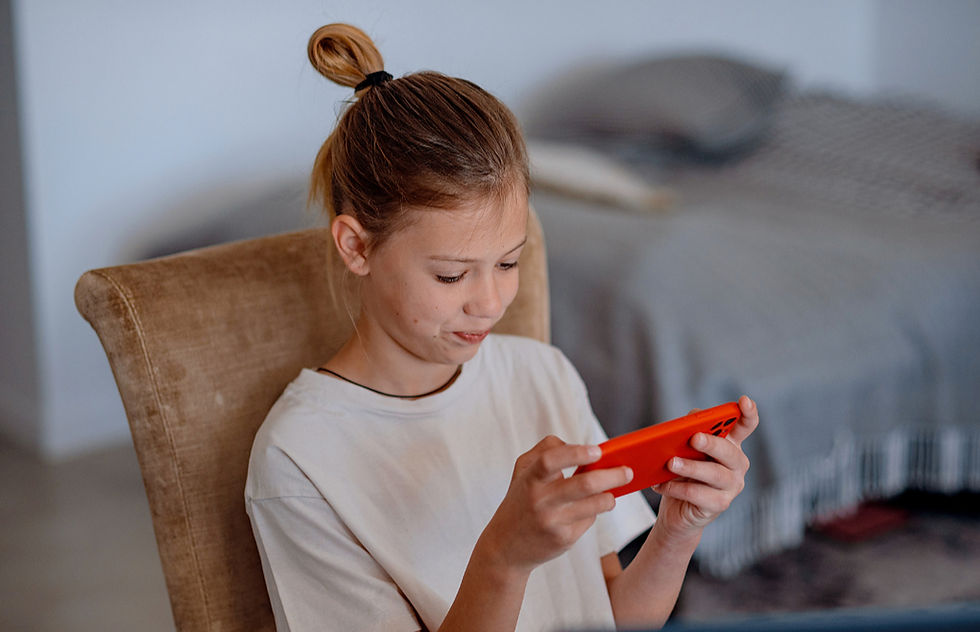
Screens can be educational and inspiring. The issue usually is not screen time itself, but what it replaces.
Children learn best when they are moving, imagining, communicating and connecting with others. When those opportunities shrink, confidence, communication skills and social development can suffer.
This is where performing arts classes play an important role.
Performing arts is real-world play with structure and purpose
Drama, dance and singing offer children a creative outlet that is active, social and confidence-building.
In a performing arts class, children are:
Using imagination in a real-world setting
Developing confidence through performance and play
Learning communication, listening and teamwork
Building coordination, focus and body awareness
Expressing emotions in a safe and supportive environment
Unlike screen-based entertainment, performing arts requires children to be present, engaged and connected with others.

Why performing arts works so well for screen-heavy lives
Many children and teens are drawn to screens because they are visual, musical and story-driven. Performing arts taps into those same interests, but brings them to life offline.
Children and teens who love watching musicals enjoy performing them. Children and teens who copy TikTok dances develop technique and confidence through dance. Children and teens who love stories on screen learn to create characters and scenes of their own.
Instead of competing with screens, performing arts channels that interest into something active and meaningful.
Confidence and communication grow naturally
One of the biggest benefits parents notice from performing arts classes is confidence.
Children learn how to speak clearly, express themselves, and perform in front of others in a supportive environment. Over time, this confidence carries into school, friendships and everyday situations.
Performing arts also supports strong social skills. They work as part of a group, take turns, listen to others and support their peers. These are life skills that simply cannot be learned through a screen.
Creating a healthier balance at home
When children attend regular performing arts classes, balance becomes easier at home.
Screens no longer feel like the only source of fun or stimulation. Children have something physical, creative and social to look forward to each week.
Many parents tell us their children are calmer, more confident and more imaginative outside of class too. Performing arts often sparks creative play at home, from role play and storytelling to dancing and singing.

Why this matters for families
Children today are growing up in a fast-paced, digital world. School expectations are high and screen exposure is constant.
Performing arts gives children and teens space to slow down, move their bodies, express themselves and build confidence. It supports emotional wellbeing while developing communication and social skills that last well beyond childhood.
At York Stage School, we see every week how drama, dance and singing help children reconnect with real-world play. We see confidence grow, friendships form and creativity flourish in a way screens alone never can.
Balancing screen time for children and Teens - Balance doesn’t mean removing screens
Balance means offering children something meaningful alongside them.
For many families, performing arts classes provide that balance. A space to move, imagine, connect and grow.
And that is something every child deserves.
Screens offer educational content and can connect children to friends and family. However, excessive screen use can:
Reduce physical activity, increasing risks of obesity and related health issues.
Limit face-to-face social interactions, which are crucial for developing communication skills.
Hinder imaginative play, which supports problem-solving and creativity.
Affect sleep quality due to blue light exposure before bedtime.
Signs Your Child Needs More Real-World Play
Parents can watch for signs that screen time is overtaking playtime:
Decreased interest in outdoor activities or physical games.
Difficulty focusing or shorter attention spans.
Limited social interaction or reluctance to play with peers.
Increased irritability or restlessness after screen use.
If these signs appear, it’s a good moment to introduce more real-world play opportunities.
Practical Strategies to Balance Screen Time and Play
Set Clear and Consistent Limits
Create daily or weekly screen time rules that everyone in the family understands. For example:
Screen-free zones such as the dining room or bedrooms.
No screens during meals or one hour before bedtime.
Specific time blocks for educational content versus entertainment.
Consistency helps children know what to expect and reduces conflicts.
Encourage Outdoor Play
Outdoor activities promote physical health and exploration. Ideas include:
Nature walks
Riding bikes or scooters.
Playing ball games or tag with friends.
Gardening or simple outdoor chores.
Even 30 minutes of outdoor play daily can improve mood and energy.

Provide Engaging Non-Screen Toys and Materials
Offer toys that stimulate creativity and hands-on learning:
Puzzles and art supplies.
Dress-up clothes and role-play props.
Musical instruments.
Schedule Family Playtime
Set aside time for family games or activities that do not involve screens:
Board games or card games.
Cooking or baking together.
Reading books aloud or storytelling.
Simple DIY crafts or building projects.
This strengthens family bonds and models balanced habits.
Use Screen Time as a Reward or Shared Experience
Instead of unrestricted access, use screen time as a reward for completing chores or homework. Alternatively, watch educational programs or play interactive games together to make screen use more social and purposeful.
Supporting Social Skills Through Play
Real-world play helps children learn to share, negotiate, and empathise.
Encourage:
Playdates with peers for cooperative games.
Group activities like team sports or dance classes.
Community events such as library story hours or art workshops.
These experiences build confidence and communication skills that screens cannot replace.
Tips for Parents to Model Healthy Habits
Children learn by example. Parents can:
Limit their own screen use during family time.
Engage in outdoor or creative activities with children.
Talk openly about the benefits and drawbacks of screens.
Create tech-free times or zones in the home.
Modelling balance helps children adopt similar habits.
Balancing screen time with real-world play is not about eliminating technology but about creating a healthy mix that supports a child’s growth. By setting clear limits, encouraging active and imaginative play, and fostering social connections, parents can help children thrive in both digital and physical worlds.


Comments